Three Resorts. One Beach. One Winner.
Three five-star resorts. Same beach. Same chain. Same guests. One of them sent guests to the competition and paid for the bus. Literally.
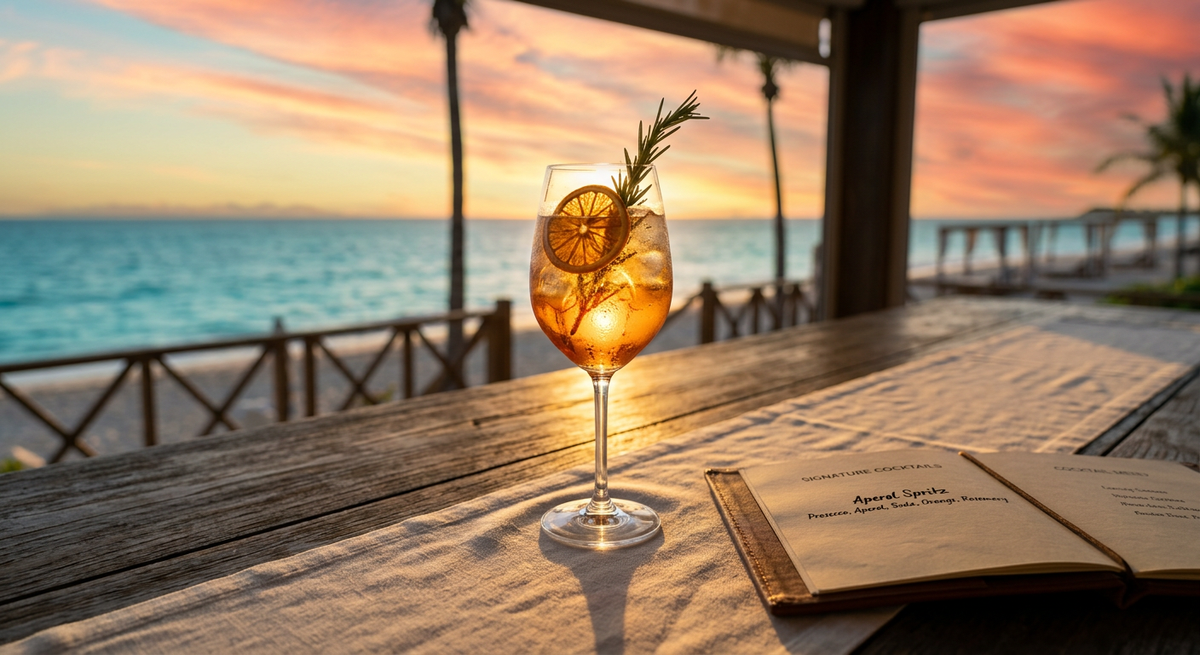
Picture this.
Three five-star resorts. All on the same stretch of beach. All belonging to the same hotel chain, but different brands. Same sun. Same sand. Same guests, more or less.
Three completely different stories.
I watched all three. I took notes. And I have opinions.
Resort A: The Commercial Suicide
Resort A has a shuttle bus.
A generous, free, perfectly organised shuttle bus that runs all day taking guests straight to the old town - packed with cheap restaurants, bars, markets, and entertainment. Three times cheaper than anything on the resort property.
Resort A has no happy hours. No promotions. No live music. Just soft, slow, background hotel music floating sadly across the pool, the lobby, the restaurant, and the bar. The kind of music that doesn't make you want to order another drink. The kind of music that makes you want to leave.
And leave they do.
Guests wake up, have breakfast because they paid for it, spend the morning by the pool bringing their own water from the room, and by midday they're on that shuttle bus. They eat lunch in the old town for $8. They have drinks for $4. They come back for dinner only if they booked half board, eat quickly, and disappear again.
Resort A's F&B revenue? My best guess - $0 to $10 per person per day. I can't see their P&L. But I've been in this industry long enough to read a restaurant.
They built the perfect system for exporting their guests to the competition. And they paid for the bus.
Resort B: The Almost-Perfect Strategy
Resort B tried. And I genuinely respect the effort.
Happy hours by the pool and beach from 4pm to 5pm. Upbeat music in different venues. Guests visibly enjoying their sundowners by the beach every afternoon. You could feel the energy - something Resort A never managed.
But then 5pm happened and the happy hour by the beach was over.
Here's the problem. Sunset is at 6pm. So 5pm is too early to go to your room and get ready for dinner. Too early to move inside. But at 5pm, Resort B's beach happy hour ended, and the only option was to move to the sports bar inside the main building for the continuation, as it had a happy hour from 5pm to 7pm.
Except nobody wanted to go inside at 5pm when the most beautiful hour of the day was just beginning outside.
So what did the guests do?
They walked three minutes down the beach to the competition - who, by the way, are absolute geniuses.
That resort extended their beach happy hour all the way to 7pm. They placed a live DJ right on the sand - close enough for Resort B's guests to hear it from their sunbeds. And as if that wasn't enough, at 7pm the DJ was replaced by a violinist or a saxophone player, creating the kind of atmosphere that makes you think: why would I ever leave?
Resort B's guests didn't leave. They just relocated.
Watching Resort B's sunset. Drinking competitor cocktails. Staying for dinner at a five star resort belonging to a completely different international hotel chain.
Resort B almost had it. The strategy was right. The execution missed by exactly two hours and one DJ.
Resort C: The Masterclass
Resort C understood something the others didn't.
The goal isn't to offer promotions. The goal is to make guests never want to leave.
Every day without exception - sunrise yoga, pilates flow, SUP classes, aqua cardio, balloon pop, can toss, spin the wheel, watermelon eating contests, water gun battles, kite making workshops, coconut leaf art, shell collecting, bracelet making, archery challenges, beach tug of war, sack races, beach volleyball, beach football, water volleyball, sandcastle building, frisbee, cooking classes, kayaking.
All free. All organised in-house. All day long.
Read that list again.
That's not an activities program. That's a masterclass in guest engagement. That's a team that woke up every morning with one goal - make sure no guest ever looks at their watch and thinks: I'm bored. Let's go somewhere else.
And here's the psychology that makes it genius.
Guests don't sit by the pool calculating the monetary value of a SUP class or a cooking lesson. They don't think "that saved me $30." What they feel - instinctively, emotionally - is that the resort gave them something. That they're being taken care of. That this place is worth being in.
That feeling opens wallets. Not aggressively. Not through upselling scripts or pushy servers. Just naturally, because a guest who feels genuinely looked after is a guest who orders the second bottle, books the spa treatment and stays for dinner without needing to be convinced.
Perceived value is the most underrated revenue driver in hospitality. Resort C understood this. Completely.
Kids entertained all day. Parents relaxed, happy, on their second glass of rosé before noon.
Happy hours running across all venues at sunset. And when happy hour ends, instead of asking guests to either go inside or start paying full price, Resort C gave them a reason to stay. Live cooking stations on the beach. A seafood market where you pick your own catch and choose how it's cooked. Live music: different genres, different venues, something for everyone.
They didn't chase the cheap spend. They built an environment where spending felt like a pleasure, not a transaction.
And the staff? They knew your name. Your room number. Your dietary preferences. Everywhere you went, someone introduced you to something else to do, something else to try, somewhere else to go within the resort.
Both Resort A and Resort C offered a free shuttle to the old town. Same gesture. Completely different context. Resort A built their entire guest experience around that shuttle. Resort C offered it as one small courtesy within an ecosystem so engaging that most guests barely used it.
Resort C's F&B revenue per person per day? My estimate - $90 to $115. Possibly more. Same beach. Same sun. Same guests.
The Payroll Paradox
Here's where it gets really interesting.
Resort A - commercially the worst performer - was visibly short staffed. And this is the vicious circle.
Low revenue means fewer staff. Fewer staff means slower service. Slower service means guests leave. Guests leaving means lower revenue. Lower revenue means even fewer staff.
I sat in Resort A's restaurant once - briefly, out of morbid curiosity. The silence of cutlery hitting plates echoed around me like a hospital cafeteria. I waited 25 minutes for a menu. The plates from breakfast on the terrace were still there at 7pm. Ten hours later. Untouched.
Forget upselling. If you wanted another glass of wine you'd fall asleep before anyone came back.
Resort C felt almost overmanned by comparison. Every two or three tables had what felt like a dedicated server. Strange at first glance. Genius on reflection.
You eat more when you're served fast. You drink more when your glass is refilled before you notice it's empty. Servers who aren't stressed have time to engage - to recommend, to upsell, to make you feel like a guest and not a number.
Fast, attentive, engaged service doesn't cost more. It earns more.
And here's a thought worth leaving with Resort A's GM. Your satisfaction scores are probably fine. Guests who spend all day in the old town eating cheap food and enjoying themselves are actually quite happy. They'll give you a decent review. They just won't spend a single dollar more than they have to at your property. NPS won't tell you that. Your F&B revenue report will - if anyone's actually reading it.
The Word Nobody Uses Enough
I keep coming back to one word throughout all of this.
Engagement.
Engage your customer. Walk their journey. Ask yourself what they actually want - not what's convenient for your operational structure, not what's easiest for your schedule, not what looks best on a cost report.
What does your guest want?
Fast, caring service. Recognition. Something to lift their mood - live music, a spectacular sundowner, their children laughing somewhere nearby while they finally exhale.
These aren't complicated asks. These aren't expensive fixes. They are the basic building blocks of hospitality that five star resorts with beautiful beaches and stunning sunsets still manage to miss. Every single day.
The GM's Bar Problem
I'll leave you with this.
How many GMs have asked their F&B team why the bar isn't making enough revenue?
And how many of those same GMs would never - not once! - bring their own wife, husband, or friends to that bar? Because it's dull. Because the menu is uninspired. Because the music is wrong. Because the whole atmosphere says nobody here really cares.
He goes to nicer places. Places with energy. With good music. With staff who make him feel welcome.
What makes him think his guest deserves any less?
Don't commit commercial suicide. If your hotel isn't retaining guests and isn't driving in-house spend - walk the property yourself. Sit by the pool. Order a drink. Wait for the menu. Watch the sunset.
Ask yourself honestly: would I want to be here?
More often than not, that question answers everything.
If you want to go deeper on what lazy bar management actually looks like in practice — and why that billiard table in the corner is costing you more than you think — read Two Guys. One Table. Zero Revenue.
And for the organisational culture that allows all of this to happen unchallenged - One "No." Millions Lost connects the dots.
xoxo, Bored Hotelier 😉
Frequently Asked Questions
How do you increase F&B revenue in a hotel? Three things working together — the right offering, genuine guest engagement and fast service. Most hotels focus on the menu and forget the last two. Speed matters more than most F&B managers realise. The faster you serve, the more guests eat and drink — not because you're rushing them, but because a refilled glass and a timely recommendation keeps the experience flowing. Add live music, an activity, a reason to linger — and the revenue takes care of itself. The hotels with the highest F&B spend per guest aren't necessarily the ones with the best food. They're the ones where nobody wants the evening to end.
How do you design a profitable hotel happy hour? Start with timing. Too short and guests don't have enough time to relax and decide they're staying — one drink in and they're still thinking about going somewhere else. Give them at least ninety minutes. On the offer itself — not everything needs to be discounted. Pick your most popular drinks with the highest profit margin already built in and make them look attractive. Guests still need to eat, so build a small happy hour food menu — taster portions, high margin, designed to complement drinks not replace dinner. And stop putting free bowls of chips and half a kilo of peanuts on the table. A small bowl of olives as a compliment, if you must place something, - fills nobody up and might actually make them want to order appetizers.
When should a hotel consider renting out its F&B outlets? When an honest look at the P&L tells you the outlet is underperforming and you can't see a realistic path to fixing it — not in the next couple of years, not with the current budget, current team or current concept. Start by evaluating revenue, profitability and what's actually preventing you from doing better. If those obstacles aren't fixable in a reasonable timeframe, find out what the space is worth to the right tenant. If that number beats your current net contribution — renting is worth serious consideration. Hotels don't have to be great at everything. Handing an outlet to a restaurateur who is genuinely good at their concept can drive more revenue, more awareness and more footfall than an in-house operation that's quietly bleeding. You also get to piggyback on their marketing — done by people who actually know how to fill a restaurant.
Comments ()